Galvanized Pipe Welding Notes & Quality Control Measures
Date:2026-01-30
I. Welding Precautions
-
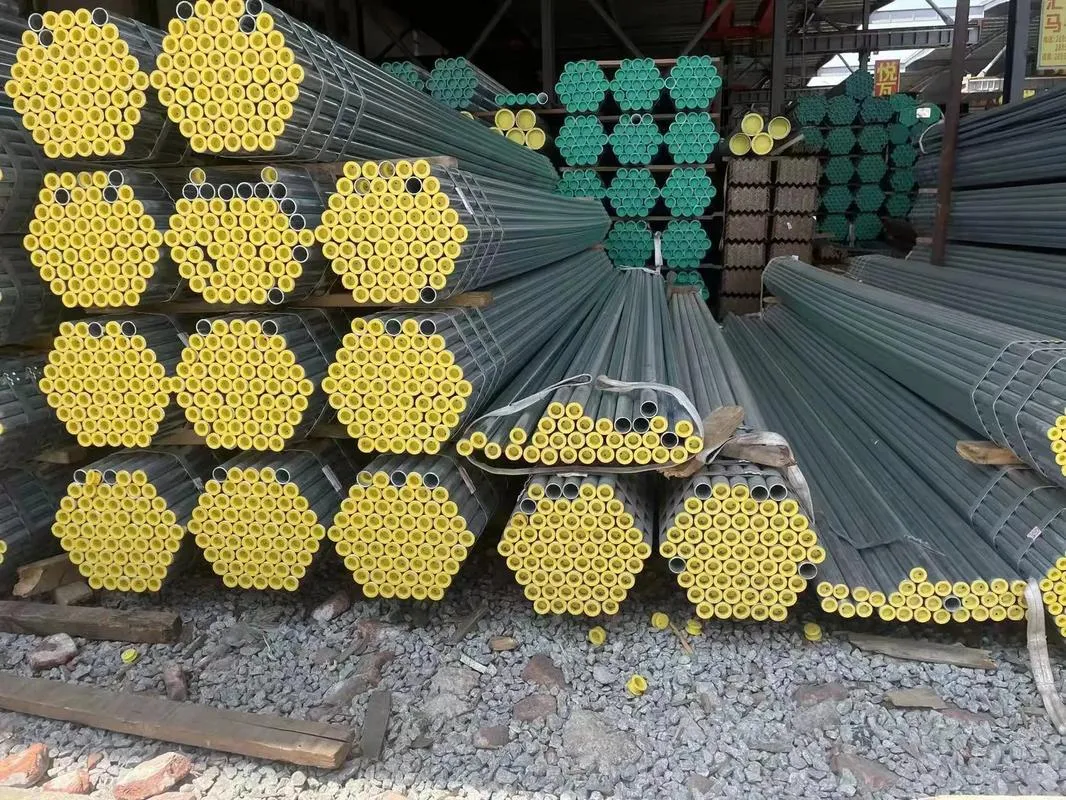
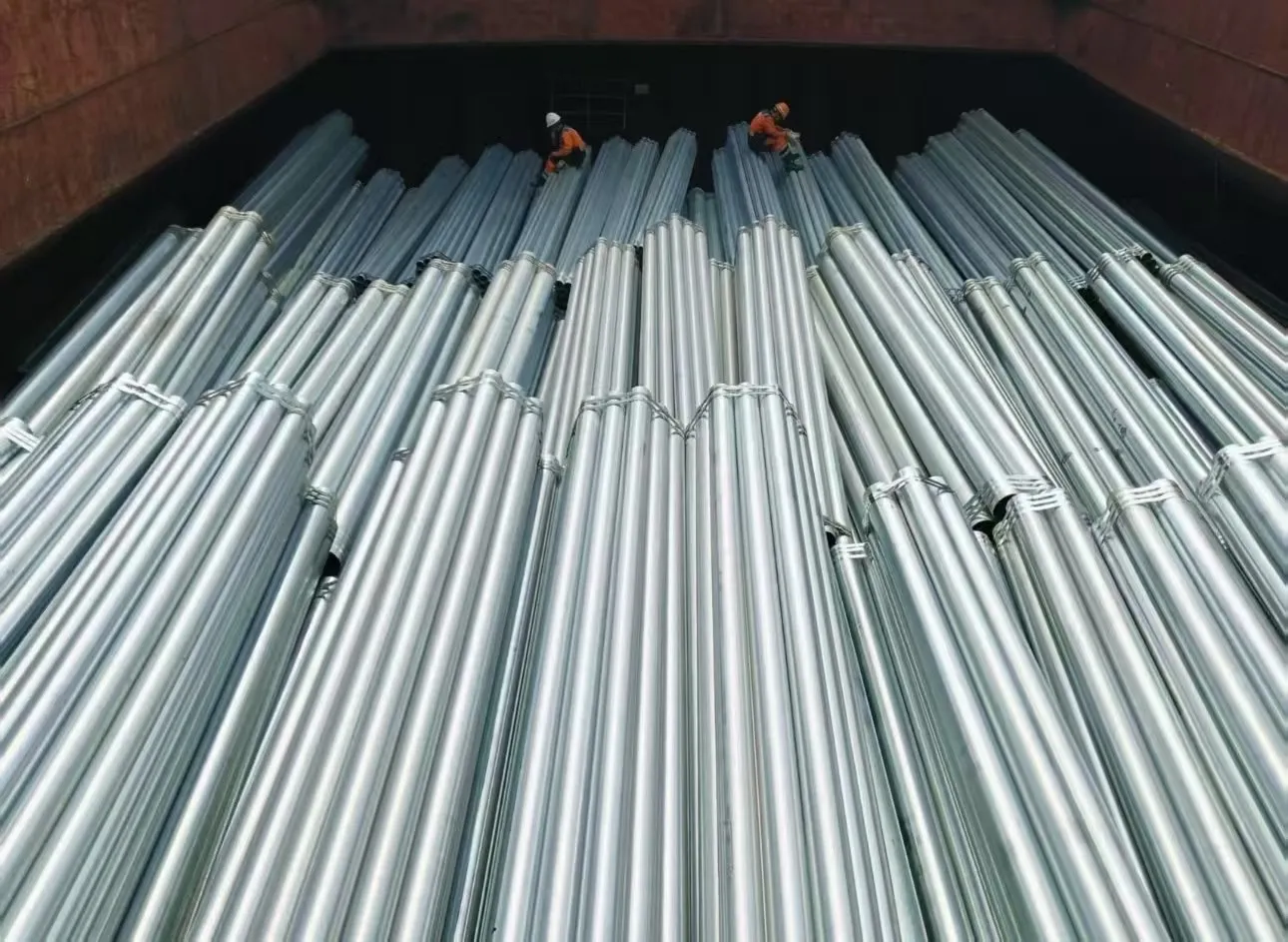
To ensure optimal welding quality, it is essential to remove the galvanized layer at the weld joint first. You can use a hand grinder, sandpaper, or gas welding flame for cleaning. Failure to do so may lead to bubbles, sand holes, incomplete welding, as well as brittleness and reduced rigidity of the weld seam.
-
For galvanized steel pipes with a diameter exceeding 100mm, flanges or sleeve-type special pipe fittings should be adopted for connection.
-
The welding joint between the galvanized steel pipe and the flange must be galvanized for the second time to ensure corrosion resistance.
II. Measures to Ensure Welding Quality
-
Welder Control: Select skilled welders who hold corresponding boiler, pressure vessel or equivalent welding certificates. Conduct necessary pre-engineering technical training and disclosure, and only allow welders to work on-site after passing the on-site assessment in accordance with the Boiler and Pressure Vessel Welder Examination Rules. The welding team should remain stable and not be replaced arbitrarily.
-
Welding Material Control: Purchase welding materials through regular channels, which must be accompanied by quality guarantee certificates and conformity certificates meeting process requirements. Standardize the procedures for inspection, receiving and issuing of welding materials, and strictly control the recycling of welding electrode stubs to ensure traceability of usage and flow.
-
Welding Machine Control: Ensure the welding machine has reliable performance and meets process requirements. It should be equipped with verified and qualified current and voltmeters to ensure the correct implementation of welding processes. Avoid excessively long welding cables; if necessary, adjust the welding parameters accordingly.
-
Welding Process: Strictly implement the special operation methods for galvanized pipes. Conduct pre-weld groove inspection, strictly control welding parameters and operating techniques, and inspect the post-weld appearance quality. If necessary, add post-weld non-destructive testing, and effectively control the welding layers and the dosage of welding materials per pass.
-
Welding Environment Control: Ensure the temperature, humidity and wind speed during welding comply with process requirements. Welding is not allowed under unqualified environmental conditions.



 +86-15130730198
 +86-13667348580
 info@rd-steel.com
 English
 Español
 Русский язык

 Company News